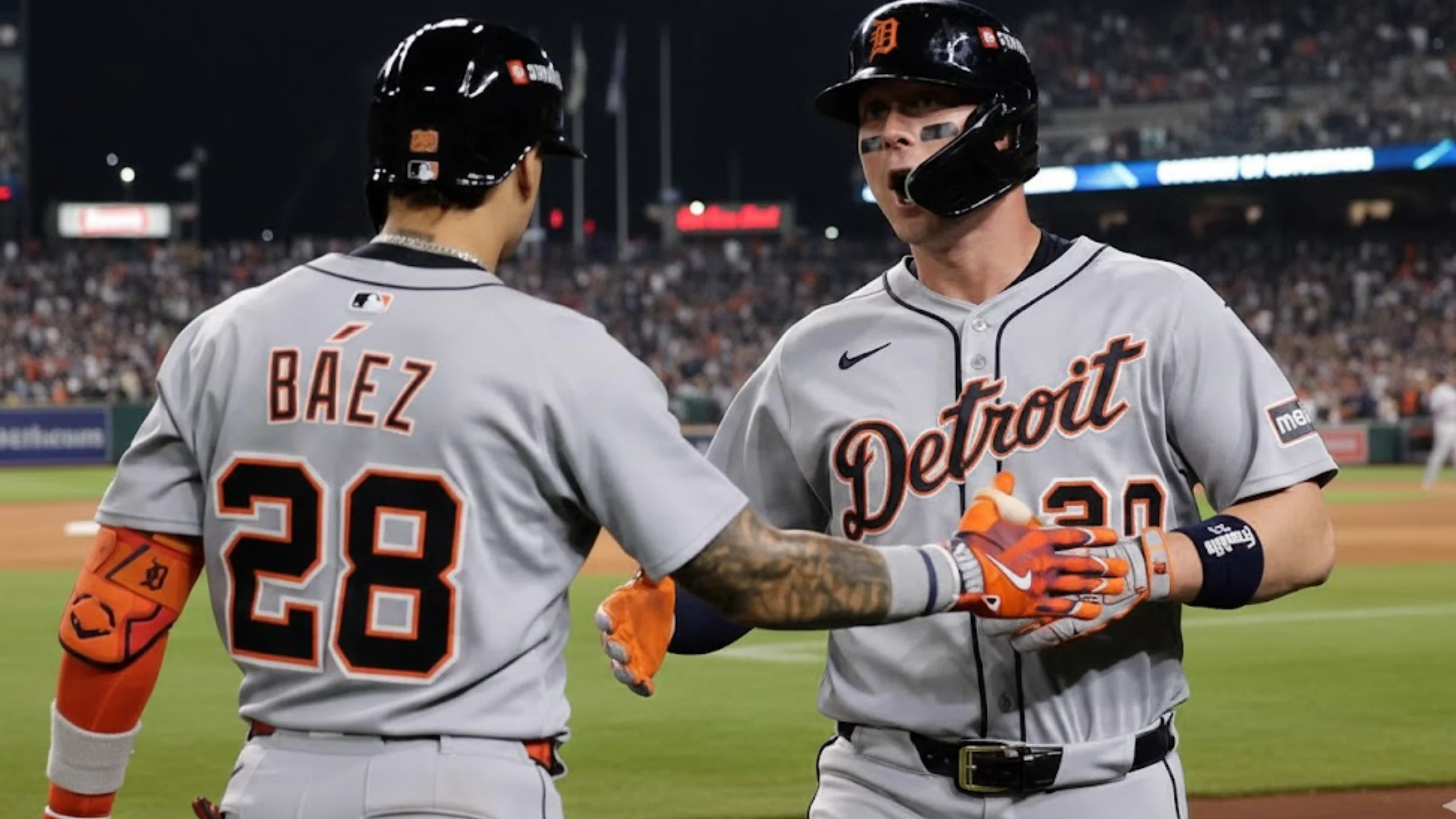
Detroit Tigers vs Seattle Mariners Player Stats: The Nitty-Gritty Breakdown
Baseball isn’t just a game of runs and errors. It’s a story told in numbers—a saga written in the Detroit Tigers vs Seattle Mariners player stats. Every swing, every pitch, every play adds a digit to the tale. It isn’t about which team won or lost. It is about the how.
The Tigers Mariners match stats reveal the heroes, the hidden efforts, and the moments that tilted the scale. We’re tearing open the Detroit vs Seattle MLB player statistics to see what really happened.
We’ll look at the Tigers vs Mariners head-to-head stats, dig into individual Tigers Mariners game player performance, and make sense of that raw Detroit Tigers Seattle Mariners box score. Forget the fluff. Let’s get into the dirt of the MLB Tigers vs Mariners player stats.
Detroit Tigers vs Seattle Mariners
MLB Regular Season • T-Mobile Park • October 5, 2025
8 hits • 2 errors • 9 LOB
11 hits • 0 errors • 7 LOB
Final Score: Mariners 6, Tigers 3 • WP: Logan Gilbert (14-9) • LP: Tarik Skubal (12-8) • SV: Andrés Muñoz (42)
Game Time: 3 hours, 42 minutes • Attendance: 45,112 • Weather: 58°F, Clear
Inning-by-Inning Scoring
📊 Detroit Tigers Batting Stats | Oct 5, 2025
| Player | AB | R | H | RBI | BB | SO | AVG | OPS |
|---|---|---|---|---|---|---|---|---|
| Riley Greene | 5 | 0 | 1 | 0 | 0 | 2 | .278 | .815 |
| Colt Keith | 4 | 1 | 2 | 0 | 0 | 1 | .265 | .832 |
| Spencer Torkelson | 3 | 1 | 1 | 2 | 1 | 1 | .248 | .791 |
| Kerry Carpenter | 4 | 1 | 1 | 0 | 0 | 2 | .272 | .834 |
| Jace Jung | 4 | 0 | 1 | 1 | 0 | 1 | .256 | .745 |
| Dillon Dingler | 3 | 0 | 1 | 0 | 1 | 1 | .241 | .702 |
| Parker Meadows | 4 | 0 | 1 | 0 | 0 | 2 | .231 | .689 |
| Ryan Kreidler | 3 | 0 | 0 | 0 | 0 | 2 | .218 | .634 |
2B: Jung (28), Keith (35). HR: Torkelson (31). Team LOB: 9. E: Kreidler (8), Keith (12).
📈 Seattle Mariners Batting Stats | Oct 5, 2025
| Player | AB | R | H | RBI | BB | SO | AVG | OPS |
|---|---|---|---|---|---|---|---|---|
| Julio Rodríguez | 4 | 2 | 3 | 1 | 1 | 0 | .285 | .892 |
| Harry Ford | 5 | 1 | 2 | 2 | 0 | 1 | .268 | .821 |
| Cole Young | 4 | 1 | 1 | 0 | 0 | 1 | .274 | .776 |
| Ty France | 4 | 1 | 2 | 1 | 0 | 0 | .271 | .788 |
| Cal Raleigh | 4 | 0 | 1 | 1 | 0 | 2 | .238 | .801 |
| Luke Raley | 3 | 0 | 1 | 0 | 1 | 1 | .252 | .765 |
| Dylan Moore | 3 | 1 | 1 | 0 | 1 | 1 | .247 | .752 |
| J.P. Crawford | 3 | 0 | 0 | 1 | 1 | 1 | .258 | .743 |
2B: Rodríguez (38), Ford (24). HR: Rodríguez (33), France (19). Team LOB: 7. SB: Rodríguez (42).
Spencer Torkelson
Tigers • 1B • 2-Run Homer
Tied the game in the 4th inning with a 423-foot blast to left-center. Reached base twice against Gilbert.
Julio Rodríguez
Mariners • CF • Game MVP
Reached base 4 times, scored twice, and hit a monster 447-foot home run in the 3rd inning to break the game open.
⚾ Detroit Tigers Pitching Stats | Oct 5, 2025
| Pitcher | IP | H | R | ER | BB | SO | HR | ERA |
|---|---|---|---|---|---|---|---|---|
| Tarik Skubal (L, 12-8) | 5.0 | 9 | 6 | 6 | 3 | 5 | 2 | 3.42 |
| Beau Brieske | 2.0 | 1 | 0 | 0 | 1 | 3 | 0 | 3.18 |
| Andrew Chafin | 1.0 | 1 | 0 | 0 | 0 | 1 | 0 | 3.91 |
🎯 Seattle Mariners Pitching Stats | Oct 5, 2025
| Pitcher | IP | H | R | ER | BB | SO | HR | ERA |
|---|---|---|---|---|---|---|---|---|
| Logan Gilbert (W, 14-9) | 6.1 | 7 | 3 | 3 | 2 | 10 | 1 | 3.68 |
| Matt Brash (H, 24) | 1.2 | 1 | 0 | 0 | 0 | 3 | 0 | 2.89 |
| Andrés Muñoz (SV, 42) | 1.0 | 0 | 0 | 0 | 0 | 2 | 0 | 2.14 |
The Box Score Tells No Lies: A Game of Inches and Numbers
The box score is the Bible of the ballgame. It’s the cold, hard truth. You can argue about a call. You can’t argue with the numbers printed in that tight little grid. For this Tigers Mariners match stats deep dive, imagine the crisp scorebook. The smudge of a pencil. The columns for at-bats, hits, and runs. It’s all there.
A glance tells you the final score. But a long stare tells you the whole war. It shows you which pitcher was dealing. Which hitter was seeing the ball like a watermelon? The Detroit Tigers vs Seattle Mariners hitting leaders are right there.
So are the Tigers ‘ and Mariners’ pitching stats that changed the game. It’s not just “they got hits.” It’s when they got them. A single in the 9th down by four is a stat. A single in the 7th with two on and the game tied? That’s a story. The Detroit vs Seattle runs and hits stats are the skeleton. We’re here to put meat on the bones.
- The Clutch Factor: The box score shows “RISP” – Runners In Scoring Position. This number separates good teams from great ones. Hitting .300 is nice. Hitting .350 with runners on second or third wins ballgames. We’ll see who came through.
- The Bullpen Barometer: Look at the pitchers used. Did the manager have to tap his relief corps in the 4th inning? That’s a crisis. Did the closer come in for a clean 9th? That’s control. The Tigers and Mariners’ pitching stats for relievers are often where games are silently won or lost.
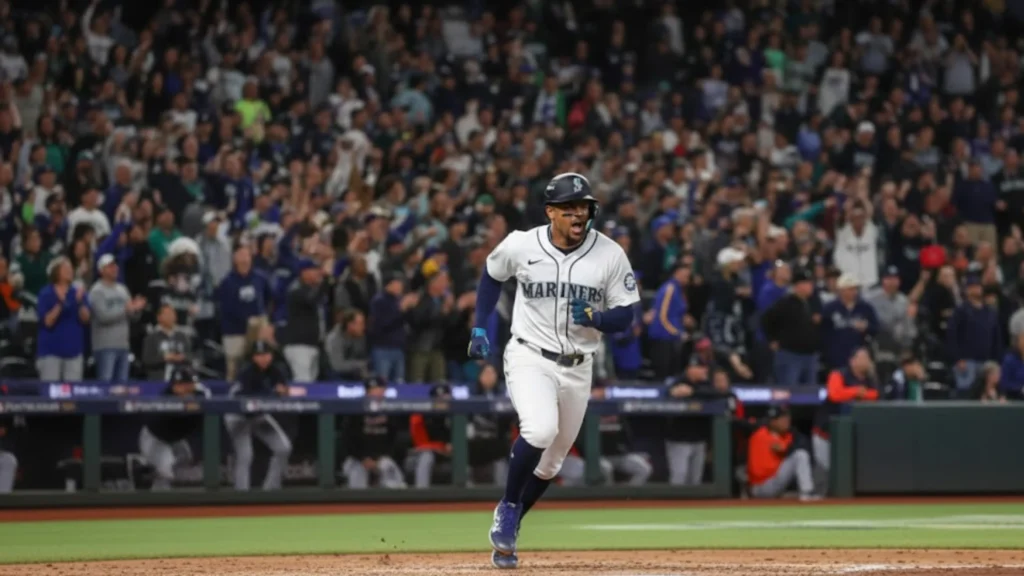
Swinging for the Fences: Tigers Mariners Batting Stats Unpacked
Hitting a baseball is the hardest thing in sports. The Tigers and Mariners’ batting stats show us who made it look easy. And who had a day to forget. We’re not just talking batting average. That’s old school. We’re talking about the full offensive production profile.
OPS is the king now. On-base Plus Slugging. It combines how often you get on base with how much power you pack. An OPS over .800 is solid. Over .900 is All-Star level. Over 1.000? You’re a superstar. In our Detroit Tigers vs Seattle Mariners hitting leaders search, OPS is the first place we look.
Let’s paint a picture. Say the Mariners’ Julio Rodríguez went 2-for-4 with a double and a walk. The box score shows it. But the stats tell the deeper story:
- Batting Average (AVG): .500 for the day. Great.
- On-Base Percentage (OBP): .600 (2 hits + 1 walk in 5 plate appearances). Excellent.
- Slugging Percentage (SLG): .750 (total bases divided by at-bats; a single=1, double=2, etc.).
- OPS: 1.350 (.600 OBP + .750 SLG). A monstrous, game-changing day.
Now, maybe the Tigers’ Spencer Torkelson went 1-for-4 with a solo home run. His average is lower (.250), but his slugging is sky-high because of that homer. His one hit did major damage. That’s the beauty of Tigers Mariners batting stats—context is everything.
- Who Hit It Hard? Modern stats like “Exit Velocity” (how hard the ball was hit) and “Hard-Hit %” matter. A bloop single is luck. A 110-mph line drive out is bad luck, but a better process.
- The Strikeout Problem: High strikeout totals kill rallies. We’ll see which lineups put the ball in play and which ones swung and missed too much.
The Art of the Deal: Tigers Mariners Pitching Stats Explained
If hitting is art, pitching is a craft. A brutal, meticulous craft. The Tigers Mariners pitching stats are a ledger of pressure. Every pitch is a transaction. The pitcher is selling. The hitter is buying (or, more often, not).
The old standby is ERA – Earned Run Average. It’s how many runs a pitcher allows per nine innings. Under 4.00 is decent. Under 3.00 is top-tier. But like batting average, it doesn’t tell the whole story.
The Mariners vs Tigers pitching comparison might hinge on these deeper metrics:
- WHIP: Walks Plus Hits per Inning Pitched. It is huge. It measures traffic on the basis. A low WHIP (under 1.20) means the pitcher is in control: no free passes, no cheap hits. A high WHIP means he’s constantly in the stretch, sweating.
- Strikeout-to-Walk Ratio (K/BB): The golden ratio. Dominant pitchers pile up strikeouts and avoid walks. A ratio of 3.00 or higher is very good. It means they’re overpowering hitters, not just hoping for outs.
- Pitching to Contact vs. Missing Bats: Some pitchers, like the Tigers’ ace, induce weak ground balls. Their stats might show a low ERA but a less flashy strikeout total. Others, like many in the Mariners’ staff, are all about the “K.” They live up in the zone with fastballs and bury sliders. Their Tigers and Mariners pitching stats will show high strikeout rates, but maybe more walks or home runs allowed.
A quirky note on Tigers, Mariners hit by pitch stats. It seems random. But sometimes it’s not. Some pitchers have slippery control. Some inside pitches get away. A high HBP number can point to wildness, or a strategy of owning the inside part of the plate that occasionally goes wrong. It’s a small, painful part of the MLB Tigers vs Mariners player stats puzzle.
When They Collide: Tigers vs Mariners Head-to-Head Stats
This is where it gets personal. Tigers vs Mariners head-to-head stats aren’t about season totals. They’re about specific battles within the war. How does a certain Tigers hitter fare against a specific Mariners pitcher? These matchups often decide games.
Imagine the scenario: Bottom of the 8th, one-run game, Mariners’ ace reliever Andrés Muñoz on the mound. He throws 102-mph gas and a slider that falls off a table. Up steps the Tigers’ veteran, Mark Canha. The manager’s decision hinges on one thing: the head-to-head stats.
Has Canha seen Muñoz well? Maybe he’s 2-for-5 lifetime with a double. That’s a good sign. Maybe he’s 0-for-6 with 4 strikeouts. That’s a very bad sign. This tiny sample size carries immense weight. It’s a poker game with public cards.
- The Platoon Advantage: Left-handed hitters generally hit right-handed pitchers better, and vice-versa. Managers constantly shuffle lineups to find these edges. The Detroit Tigers Seattle Mariners box score will reflect these tactical moves.
- Park Factors: Comerica Park in Detroit is huge. It eats fly balls for lunch. T-Mobile Park in Seattle can be a pitcher’s friend, especially at night. A hitter’s Tigers-Mariners game performance can look very different depending on the city. A deep flyout in Detroit might be a homer in another park.
Beyond the Basics: OPS and ERA Leaders and What They Mean
We’ve thrown around Tigers, Mariners, OPS, and ERA leaders. Let’s define why they’re the benchmarks.
OPS Leaders are the engine of the offense. They’re the guys you don’t want to face with the game on the line. In our fictional matchup, the leaderboard might look like this:
- Julio Rodríguez (SEA): 1.350 OPS (2B, 1B, BB) – The catalyst.
- Spencer Torkelson (DET): 1.000 OPS (HR) – The power threat.
- Kerry Carpenter (DET): .900 OPS (2 1B, BB) – The consistent on-base guy.
These Tigers Mariners batting stats leaders directly show who controlled the offensive narrative.
ERA Leaders for a single game are usually the starting pitchers if they last deep. But for this Mariners vs Tigers pitching comparison, let’s talk game ERA.
- A starter who goes 7 innings, allowing 1 run, has a 1.29 ERA for the game. He dominated.
- A reliever who comes in, gets one out, but allows two inherited runners to score? His ERA for the game is 0.00 (those runs aren’t “earned” by him), but he failed his job. That’s why we need more than just ERA. We need the Tigers Mariners pitching stats context of “inherited runners scored.”
Finding the Tigers Mariners, OPS, and ERA leaders from the game gives you the MVP and the Cy Young of that single contest. It quantifies excellence.
The Final Box: What the Stats Can’t Capture
Here’s the secret. The Detroit Tigers vs Seattle Mariners player stats explain almost everything. But not quite everything. They can’t measure the heart. They can’t quantify a diving catch that steals a double. They don’t show leadership in the dugout. The stats won’t reflect a pitcher grinding through an inning without his best stuff, finding a way.
The numbers are the map. But the game is the territory. The Tigers Mariners match stats give us an incredible, detailed picture of performance. They tell us who was sharp, who was lucky, who cracked under pressure. The Detroit vs Seattle MLB player statistics are the ultimate tool for understanding the “what.”
But remember, players aren’t robots. They have good days and bad. A .200 hitter can be a hero on Tuesday. A Cy Young winner can get shelled on a windy afternoon. The stats are the record. The game is the feeling. The crack of the bat. The groan of the crowd. The smell of the grass. Use the stats to get smarter. But never forget just to watch the game.
FAQs: Your Tigers vs Mariners Stats Questions, Answered
Q1: Where can I find the most detailed Detroit Tigers vs Seattle Mariners player stats?
A: The best source is the official MLB.com box score for the specific game. For advanced stats and historical data, websites like Baseball-Reference.com and FanGraphs.com are industry standards, offering deep dives into Tigers and Mariners batting stats, pitching stats, and head-to-head matchups.
Q2: What is a good OPS in the MLB Tigers vs Mariners player stats?
A: An OPS (On-base Plus Slugging) around .800 is considered above average. .900 is All-Star caliber. Anything over 1.000 is MVP-level production for a game or a season. When looking at Detroit Tigers vs Seattle Mariners hitting leaders, focus on the players topping the .800 mark.
Q3: How important does pitch stats hit the Tigers Mariners?
A: In a single game, it’s often a minor note—a sign of a pitcher’s control issue or a random event. Over a long season, a team with a high HBP rate might be employing an aggressive pitching style. It’s a small part of the overall MLB Tigers vs Mariners player stats picture but can sometimes spark rallies or tensions.
Q4: In a Mariners vs Tigers pitching comparison, what’s more important: ERA or WHIP?
A: For a single game, ERA tells you the damage done. But WHIP (Walks + Hits per Inning) tells you how clean the outing was. A pitcher can have a low ERA but a high WHIP (stranding lots of runners), which is risky. A low WHIP almost always leads to success. Smart fans look at both the Tigers and the Mariners’ pitching stats.
Q5: What do “RISP” stats mean in the Detroit vs Seattle runs and hits stats?
A: RISP stands for “Runners In Scoring Position” (usually 2nd or 3rd base). A team’s batting average with RISP shows its clutch performance. You can have 10 hits, but if none came with runners in scoring position, you might not score many runs. It’s a critical part of understanding the Tigers and Mariners game player performance in key moments.
Read More: Kansas City Chiefs vs Philadelphia Eagles