Trip Check Oregon: The Only Travel Guide You Actually Need
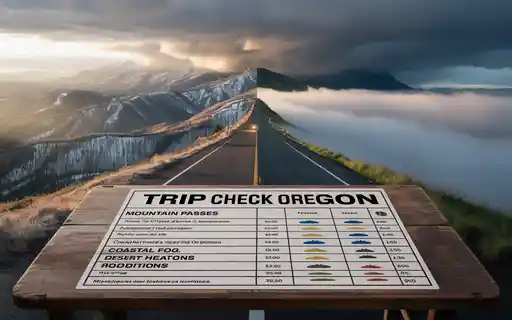
Oregon doesn’t care about your plans. It has mountain passes that close in minutes. Coastal fog that swallows roads. Desert heat that fries tires. That’s why you need a trip check oregon. This isn’t just looking at a map. It’s a mindset.
Checking the pulse of the state before you roll out. This guide is your reality check. It combines the official road condition tools with the hard-earned wisdom of what to do when you get there. Let’s make sure your adventure doesn’t turn into a misadventure.
What “Trip Check Oregon” Really Means
Forget the fancy talk. A trip check oregon has two parts. First, it’s the literal act. You check the Oregon Department of Transportation’s TripCheck website. You look at live cameras on Siskiyou Pass. You see if there’s snow on Mount Hood. You check for crashes on I-5. This is non-negotiable. Your safety depends on it.
Second, it’s the bigger picture. It’s planning your Oregon road trip with eyes wide open. Knowing that a beach day in July might be 55 degrees and windy. Understanding that Crater Lake can get snow in June.
This guide covers both. The hard road facts and the gritty travel truth. Doing a proper trip check oregon is what separates the prepared travelers from the stranded ones.
The Official Tool: ODOT’s TripCheck Website & App
This is your command center. Bookmark it: TripCheck.com. This is the state’s official system. It shows you everything in real time.
- Live Traffic Cameras: See the actual road. Is it raining on Highway 101? Is there fog in the Gorge? Look with your own eyes.
- Road Condition Reports: Color-coded maps. Green for good, yellow for caution, red for closures. They show chain requirements, ice, and delays.
- Weather Stations: Get temperature, wind speed, and pavement conditions from sensors in the ground.
- TripCheck App: Download it. It has all the same features for your phone. Essential for last-minute trip check oregon updates from the roadside.
A quick story. I once planned a spring trip to Wallowa Lake. My map app said “all clear.” TripCheck showed a last-minute rock slide closure on the only access road. It saved me a 5-hour drive to a dead end. Always, always check.
When to Go: Oregon’s Split Personality
Oregon has two sides. The wet west and the dry east. The best time to visit Oregon depends on what you want.
Summer (July – Sept): This is peak season. Guaranteed sunshine east of the Cascades. Warm(er) coast days. Everyone is out. Expect crowds at Oregon national parks like Crater Lake and big Oregon tourist attractions. Book everything months ahead.
Fall (Oct – Nov): Pure magic. Crowds thin. Vineyards in Oregon wine country turn gold. The coast is moody and dramatic. Mountain passes can get early snow. Do a frequent trip check Oregon for passes like Santiam or McKenzie.
Winter (Dec – Mar): Ski season. Mount Hood and Mount Bachelor are buzzing. The coast is in the storm-watching season. Valleys are rainy. Passes are snowy. Your trip to check Oregon routine becomes a daily religion if you’re crossing mountains.
Spring (Apr – June): Wildflower season. Waterfalls in the Columbia Gorge are thunderous. The weather is a gamble—sun one minute, hail the next. High-elevation hiking trails are still snowing in.
There is no bad time. Only unprepared times.
The Classic Loops: Oregon Road Trip Itineraries
You can’t see it all in one go. Pick a theme. Here are two classic Oregon itinerary ideas.
The Great Coast Tour (Highway 101): A 5-7 day classic.
- Start: Astoria (see the Goonies ship!).
- Must-Stops: Cannon Beach (Haystack Rock), Thor’s Well near Yachats, Oregon Dunes National Recreation Area, Shore Acres State Park’s crazy waves.
- End: Brookings, near the California border.
- Trip Check Tip: Coastal fog is thick in the morning. Check cameras. Summer weekends are packed with RVs.
The Volcano & Crater Loop (5-7 days): For mountain lovers.
- Start: Portland. Head to Mount Hood (Timberline Lodge).
- Drive: Through the high desert to Bend for Oregon outdoor activities like hiking Pilot Butte.
- South: To Crater Lake National Park (pictures don’t do it justice).
- Back North: Via Umpqua Valley waterfalls or Oregon scenic routes like Highway 138.
- Trip Check Tip: This route crosses multiple mountain passes. Check conditions for Government Camp, Willamette Pass, and Diamond Lake. Always.
The Hidden Gems: Beyond the Postcard Spots
Everyone goes to the same places. Be different. Here are a few less-crowded best places to visit in Oregon.
- The Wallowas: Called “Oregon’s Alps.” Take the scenic Wallowa Lake Tramway. Feels like another world. Remote. Check road conditions for Highway 82.
- The Painted Hills: Part of the John Day Fossil Beds. Looks like a Martian landscape. The best light is late afternoon. Dusty and hot in summer.
- Steens Mountain: A fault-block mountain in the remote southeast. The drive to the top on a gravel road (check if open!) is unforgettable.
- Silver Falls State Park: Just east of Salem. The “Trail of Ten Falls” lets you walk behind seven waterfalls. Muddy in winter, but stunning.
These spots often have fewer updates on TripCheck. Call local ranger stations for the real scoop.
City Slicker Stops: Portland, Bend & Eugene
Don’t just drive through. The cities are part of the Oregon travel guide.
- Portland: Food carts. Powell’s City of Books. The International Rose Test Garden. It’s weird, wonderful, and often rainy. Use public transit or bike share downtown.
- Bend: The Oregon adventure travel hub. Hike, bike, ski, then drink craft beer. The Deschutes River runs right through town. A great base for exploring.
- Eugene: College town vibe. Home to the University of Oregon. Fantastic running and biking paths along the Willamette River. A more laid-back pace.
City driving tip: Portland has confusing bridges and lots of one-way streets. Have a good GPS. Check for event traffic on TripCheck.
Eat, Sleep, Live Like a Local
Food: It’s not just hipster food. It’s farm-to-table for real.
- Eat fresh salmon. Try marionberry pie. Drink local coffee and craft beer.
- In coastal towns, buy crab or tuna right off the dock.
- In Eastern Oregon, find a classic steakhouse.
Sleeping:
- State Park Cabins/Yurts: Book 6 months ahead. Amazing value.
- Historic Lodges: Timberline Lodge, Crater Lake Lodge. Splurge for history.
- Camping: Dispersed camping is huge on BLM land. Follow “Leave No Trace” rules. Always.
The Packing List: Be Ready for Anything
Oregon weather changes fast. Your packing list is your first trip check oregon.
- Layers: A t-shirt, a fleece, a waterproof shell. Every day.
- Footwear: Hiking boots for trails. Sandals for the car or hot springs.
- Sun & Rain: Sunglasses, hat, sunscreen. A rain jacket (not an umbrella, the wind eats them).
- Car Kit: Tire chains (Nov-April), extra water, blanket, phone charger, paper map (cell service dies in mountains).
- Mindset: Patience. Flexibility. A sense of wonder.
Your Final Pre-Departure Check
One week before you go:
- Book your major stops.
- Check general weather forecasts.
One day before you go:
- Do your official trip check Oregon on TripCheck.com for your entire route.
- Check for wildfire smoke maps in summer.
- Tell someone your route.
Every morning of your drive:
- Do another quick trip check Oregon for the next leg.
- Adjust if you see a big red “CLOSED” sign on the map.
Oregon rewards the prepared. It’s a wild, beautiful, and sometimes stubborn place. Respect it. Check on it. And then go have the trip you’ve been dreaming of.
FAQs
What is the best website for checking Oregon road conditions?
The official and best source is the Oregon Department of Transportation’s TripCheck.com website or their mobile app. It provides real-time traffic cameras, road condition reports, weather data, and closure alerts for all major state highways and mountain passes.
When is the worst time to drive over Oregon mountain passes?
Winter months (November through March) are the most challenging due to snow and ice. However, storms can happen in fall and spring too. Always perform a trip check oregon for passes like Santiam, Siskiyou, and Mount Hood before traveling, regardless of the season.
What is one thing most tourists forget when planning an Oregon trip?
They forget the vast climate differences. The coast can be cool and foggy while the desert is 100°F on the same summer day. Packing for only one type of weather is a common mistake. Always pack layers and check conditions for each region you’ll visit.
Are tire chains really required in Oregon?
Yes, during winter conditions on many mountain highways, carrying traction devices (chains or approved alternatives) is legally required for most vehicles. Signs will state “Chains Required.” Even if you have 4WD, you must carry them. TripCheck indicates chain requirements.
Can I rely on Google Maps for driving conditions in Oregon?
Google Maps is great for traffic and basic routing but not for real-time road hazards, chain laws, or pass closures. Always cross-reference with TripCheck.com for official highway condition information, especially in winter or in remote areas.
References & Further Reading:
- Oregon Department of Transportation TripCheck: https://www.tripcheck.com
- Travel Oregon Official Tourism Site: https://www.traveloregon.com
- Oregon State Parks Reservations: https://oregonstateparks.reserveamerica.com
- US Forest Service – Pacific Northwest Region: https://www.fs.usda.gov/r6
- National Weather Service – Oregon: https://www.weather.gov/pqr/
Disclaimer: Road, weather, and fire conditions in Oregon are highly dynamic and can change rapidly. This guide provides general advice, but you must consult official sources like ODOT TripCheck and local authorities for real-time information before and during your trip. Always prioritize safety over itinerary.
Read More: B2B Riya Travel