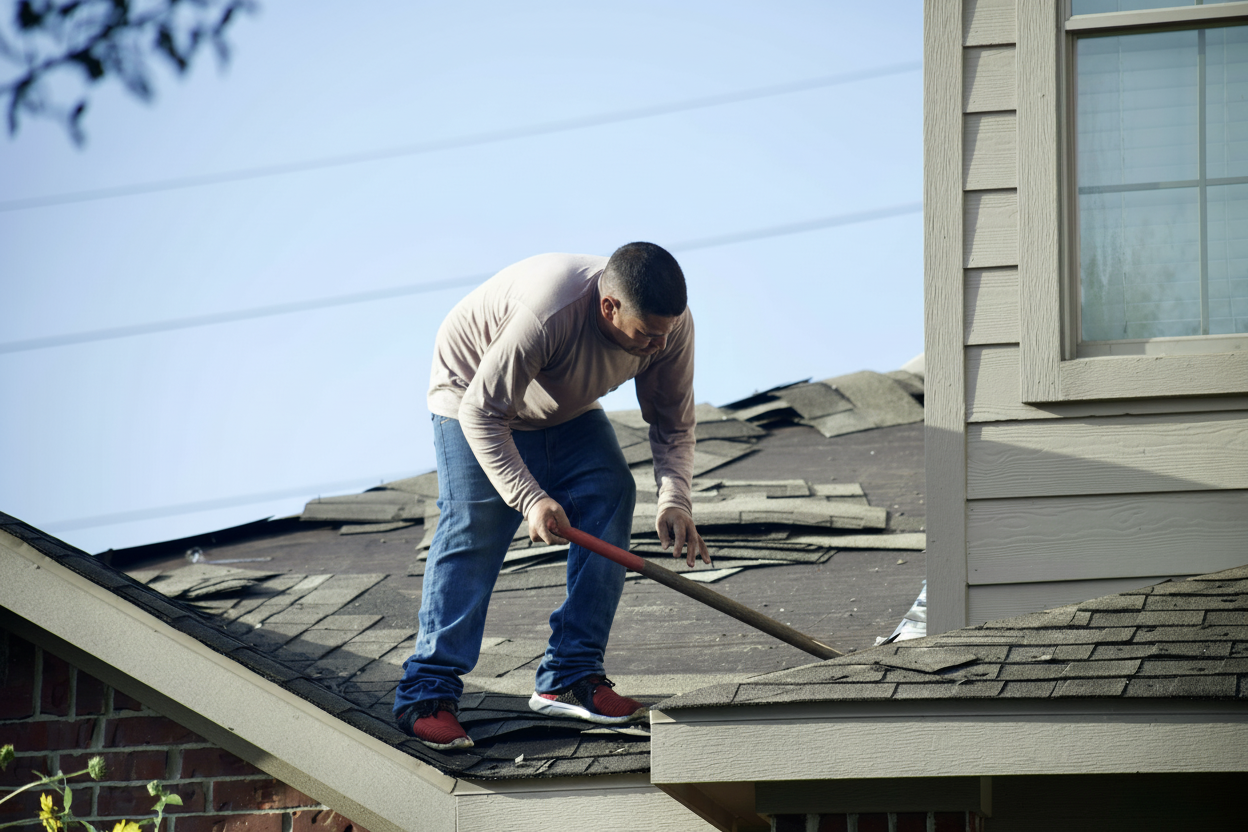
How to Recognize Roofing Problems Before They Become Emergencies
A roof problem usually starts small. It may be a patch of grit in the gutter, a shingle edge that no longer sits flat, or a faint stain that appears after a hard rain and then seems to disappear. Those details are easy to brush off because the roof still looks mostly intact. Many homeowners do not start thinking seriously about roof repair eagle mountain until the issue becomes impossible to ignore.
Putting it off is often what turns a small repair into a serious problem. The first visible sign is not always the biggest concern. What matters more is what it may be telling you about moisture getting in, materials wearing down, and weak spots getting worse as weather conditions change. Homeowners who catch those warning signs early are far more likely to solve the issue before water damages insulation, wood, drywall, and interior surfaces.
Surface Clues
One of the first signs of trouble usually appears on the roof itself. Shingles that are cracked, curled, loose, or slightly raised are more than a sign of age. They can mean the roof is no longer protecting the home the way it should. A single damaged shingle may not cause a leak right away, but it can leave the layers underneath exposed to moisture and wind over time.
Granules in the gutter matter too. On an asphalt roof, those granules protect the shingle surface from long-term exposure to the sun. When they begin collecting in noticeable amounts, the roof is often wearing down faster than it appears from the ground. The shingles may still cover the house, but they are no longer offering the same level of protection.
Sagging areas should always be taken seriously. Even a slight dip can indicate trapped moisture beneath the surface. That is where a roof issue stops being cosmetic and raises questions about the condition of the decking and support materials beneath.
Indoor Signs
Many homeowners notice signs inside the house before they ever find the source on the roof. A ceiling stain is usually the first thing people spot, but it is not the only sign of trouble. Peeling paint, a stale or musty smell near the ceiling, damp attic insulation, and discolored walls can all indicate moisture coming in from above.
What makes roof leaks frustrating is that the water does not always show up directly under the place where it entered. It can run along framing, follow joints, or move across the underside of the roof before it becomes visible indoors. Because of that, the stain you see inside may be several feet away from the actual problem.
That is also why a small mark on the ceiling should not be brushed off. What looks minor from inside can point to a larger moisture issue above. By the time the damage becomes noticeable indoors, water may already have reached materials that are slower to dry and more expensive to repair.
Weak Points
Serious roofing problems often start where materials meet or where the roof has to seal around an opening. Flashing around chimneys, vents, skylights, and wall lines tends to wear out sooner because those areas rely on tight connections to keep water moving out and away. When flashing loosens, cracks, or shifts out of place, water can slip underneath the surface.
Roof edges can also become trouble spots. When runoff is not draining properly, moisture can pool near the perimeter instead of draining off the roof. Over time, that can affect the decking, the trim, and the materials along the edge.
Openings in the roof are another place where problems can develop. Pipe boots, vent flashing, and old sealant can wear down slowly without drawing much attention. From the ground, the roof may still look fine. Closer inspection may reveal a weak area that has already begun to let in moisture.
Water Patterns
One of the clearest signs that a roof problem is getting worse is repetition. If a stain darkens after heavy rain, if the attic smells damp after storms, or if the same section of ceiling keeps showing moisture during rough weather, the issue is active whether or not water is visibly dripping into the room.
Weather patterns can reveal a lot. Some leaks only show up during wind-driven rain because the opening is small and only exposed under certain conditions. Others appear after long periods of steady moisture because the roof can no longer dry out fast enough between storms. Melting snow can create the same effect by keeping vulnerable areas wet for longer than usual.
Timing matters. A leak that shows up once might be easy to brush off. But when it keeps happening under the same conditions, it usually points to a real problem. That pattern can be the difference between a simple repair and a bigger issue that spreads.
Why Waiting Costs More
A lot of homeowners assume that if they do not see a major leak, nothing serious is wrong. But roof damage can build up quietly for a long time before it becomes obvious inside the home. Moisture can get into the wood, loosen fasteners, damage insulation, and spread into nearby materials long before water starts dripping from the ceiling.
Once that happens, the repair often becomes more expensive. What started as a small fix at the source can turn into replacing damaged materials around it. That is why it is important to deal with roof repair Eagle Mountain early. The goal is not just to fix what you can see, but to stop the damage from spreading further.
Acting early also gives homeowners better options. A roof that is still structurally sound but showing early wear can often be repaired in a more targeted way. A roof that has been taking on water for too long usually requires a more invasive response.
Conclusion
Most roof problems do not start with anything dramatic. It is usually something small that gets brushed aside at first, like a shingle out of place, flashing starting to pull away, or a stain that shows up after a storm. Since it does not seem urgent, it is easy to ignore. The problem is that small issues often let moisture in, and the damage can spread more than people realize.
That is why it is important to pay attention to changes around the house. A ceiling mark that was not there before, a damp smell in the attic, or wear along the edge of the roof can all be signs that something is starting to fail. Taking care of it early usually means a simpler repair and helps prevent damage to the wood, insulation, and areas below the home.