The Best Protein Powder for Athletes: A No-Nonsense Guide
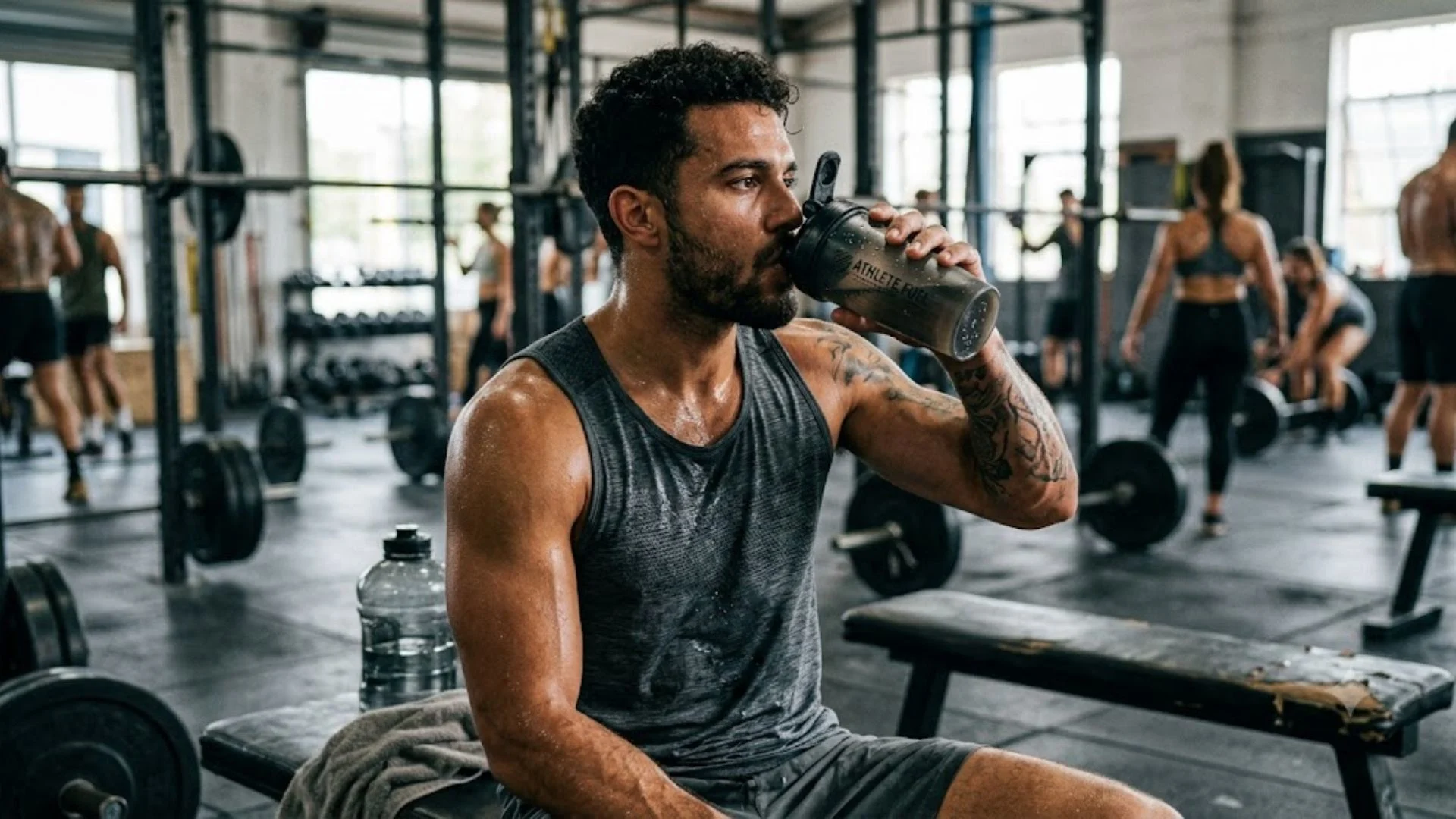
You just crushed your workout. Your muscles are screaming. Now what?
The answer, for most athletes, is protein. But walking into a supplement store can feel like entering a foreign country. Rows of tubs promise the world. Big muscles, fast recovery, and endless energy.
How do you pick the best protein powder for athletes? It’s not about the flashy label or the jacked guy on the front.
This guide cuts through the noise. We’ll break down what actually works, what doesn’t, and how to pick the right powder for your goals. No jargon. No marketing fluff. Just the facts you need.
Let’s get started.
What Makes a Protein Powder “The Best” for an Athlete?
You need something that works. Simple as that.
The best protein supplement for athletes isn’t always the most expensive one. It’s the one that fits your body, your training, and your lifestyle.
First, it needs a complete amino acid profile. Your body uses amino acids as building blocks. Essential amino acids (EAAs) can’t be made by your body. You have to get them from food or supplements. Branched-chain amino acids (BCAAs) are a special group of EAAs. They are critical for kickstarting muscle protein synthesis. That’s just a fancy term for muscle repair and growth.
Second, it needs to be digested well. No one wants to feel bloated or sick after a shake.
Third, it must taste good. You won’t drink something that tastes like chalk.
I remember my first protein purchase. I bought the cheapest tub I could find. It tasted like sweetened cardboard and sat in my stomach like a brick. I thought I had wasted my money. It took me three tries to find a powder I actually looked forward to drinking. That is the real secret. Consistency beats perfection every time.
Whey Protein: The Gold Standard for Muscle Growth
If there is a king of protein powders, it’s whey.
Whey protein is a byproduct of cheese-making. It’s a complete protein and digests quickly. This makes it perfect for right after you finish training.
There are two main types of whey you will see on the shelf.
Whey Protein Concentrate vs. Isolate
Whey protein concentrate (WPC) is the more common and cheaper option. It contains about 70-80% protein. It also retains some fats and carbohydrates. It usually tastes creamier because of these extras.
Whey protein isolate (WPI) is the “cleaner” version. It goes through more processing to remove almost all the fat and lactose. This means it is at least 90% protein by weight. It has fewer calories and less sugar.
Which is better? It depends on your goal.
If you are cutting weight or counting calories, whey protein isolate is the best protein powder for lean muscle maintenance. If you are a beginner or on a budget, concentrate still works great. It provides a high-quality protein at a lower price point.
Fast-Absorbing Protein for Post-Workout
Because of its purity, whey isolate is a fast-digesting protein powder. That speed is important.
After a workout, your muscles are like a dry sponge. They are primed to absorb nutrients. A fast-absorbing protein gets those amino acids into your bloodstream quickly. This starts the repair process almost immediately.
This is why many consider whey isolate the best post-workout protein. It is the protein powder for muscle recovery.
Is It Right for You?
If you tolerate dairy well, whey is a reliable choice.
But if you are lactose intolerant, whey protein isolate is your friend. It has very little lactose. Many athletes find they can use isolate even if they get sick from regular milk or concentrate.
🏆 Top 5 Protein Powders for Athletes 2026
Expert-ranked & athlete-approved: whey isolate, clean-label, and performance blends.
| Brand & Protein | Key Specs | Nutrition Facts (per serving) |
|---|---|---|
|
Optimum Nutrition
#1 Whey
Gold Standard 100% Whey
Whey blend (isolate + concentrate)
|
|
120 kcal
24g protein
1.5g fat
2.2g carbs
1.3g sugar
0.16g salt
☑ NSF tested
† Values based on Extreme Milk Chocolate (32g scoop). More info
|
|
Transparent Labs
Clean-label
Grass-Fed Whey Protein Isolate
100% grass-fed isolate
|
|
~110 kcal
28g protein
0.5g fat
1-2g carbs
1g sugar
☑ Grass-fed & no artificial
† Ranges vary by flavor; unflavored has 0g sugar.
|
|
Dymatize
Hydrolyzed
ISO100 Hydrolyzed
100% hydrolyzed whey isolate
|
|
110–120 kcal
25g protein
0.1g fat
1.4g carbs
0.2g sugar
☑ hydrolyzed for speed
† Based on chocolate / vanilla; values may vary slightly.
|
|
Muscle Milk
Pro Series
Pro Series Protein Powder
Milk + whey isolate blend
|
|
~240 kcal
50g protein
~2g fat
~4g carbs
1g sugar
☑ NSF certified
† Approximate values based on Pro Series powder.
|
|
Ascent
Native Whey
100% Native Whey Protein
Grass-fed, clean ingredient
|
|
~110 kcal
25g protein
0.5g fat
2g carbs
0–1g sugar
☑ Native whey isolate
† Values vary by flavor; unflavored has minimal carbs.
|
Plant-Based Powders: The Power of Pea and Rice
What if dairy is not your thing?
The world of plant-based protein powder has exploded. It’s not just for vegans anymore. Many athletes choose plant proteins for easier digestion.
Pea Protein: A Strong Competitor
Yellow pea protein is the heavyweight champion of plant proteins.
It is a complete protein. This means it has all the essential amino acids. It is especially high in BCAAs, the building blocks that trigger muscle growth.
Studies show that pea protein stimulates muscle growth just as well as whey protein when combined with resistance training.
The Power of Blends
One single plant source often lacks one or two amino acids. For example, brown rice protein is good but low in one key amino acid called lysine.
That is why many brands use a “blend”. They mix pea and rice, or soy and hemp. This creates a complete amino acid profile that rivals whey.
Think of it like a puzzle. Pea might be missing a piece. Rice has that piece. When you put them together, the picture is complete.
Soy and Egg White Options
Soy protein isolate is another complete plant protein. It is cheap and effective.
For those who eat eggs, egg white protein is a fantastic dairy-free option. It is a high-quality protein with a neutral taste.
Hydrolyzed Whey Protein: Is It Worth the Hype?
You might see the word “hydrolyzed” on a label.
Hydrolyzed whey is “pre-digested.” The long protein chains are broken down into smaller pieces called peptides. This means your body absorbs it incredibly fast.
You don’t always need the fastest option. Whey isolate already absorbs quickly enough for most athletes. Hydrolyzed whey is often more expensive. It can also have a slightly bitter taste due to the breakdown process. It is great for top-level pros who need that extra edge. For the average gym-goer, it is not necessary.
Choosing Based on Your Sport
Best Protein Powder for Strength Training
Strength athletes need protein to repair torn muscle fibers. You are building muscle mass and density.
The priority for strength athletes is fast-digesting protein. You need those amino acids to reach your muscles quickly after a heavy session. This reduces muscle breakdown and maximizes growth.
Whey protein isolate is often the top choice here. It provides a high dose of protein quickly and efficiently. It is the best protein powder for muscle growth for many lifters.
Best Protein Powder for Endurance Athletes
Runners, swimmers, and cyclists have different needs.
Endurance training breaks down muscle tissue over long periods. It also depletes glycogen, your stored energy.
While fast digestion is still good, casein protein is an often-overlooked gem for endurance athletes. Casein is the other protein in milk. It digests slowly. It forms a gel in your stomach and releases amino acids over several hours.
This makes it great for preventing muscle breakdown during long runs or for recovery overnight. Many athletes use a combination of whey and casein. The whey gives a fast boost, and the casein provides a slow, steady drip of protein.
How to Read a Nutrition Label
Don’t get tricked by fancy marketing. The label tells the real story.
- Protein Source: Look at the ingredients. Is it whey isolate or concentrate? Is it a plant blend? You want the first ingredient to be a clear source of protein.
- Protein per Serving: This is the actual number. Most athletes need 20-30 grams per serving to maximize muscle protein synthesis. More is not always better for a single dose. Your body uses about 20-40 grams at a time.
- Carbohydrates and Sugar: You want low sugar. A good sports nutrition protein powder will have a low-carb profile. Some have 1 gram of sugar or less. If it has 5 grams or more, it might be more of a meal replacement than a pure protein supplement.
- Fat: Check the fat content. Whey isolate is usually very low in fat. Concentrate has a little more.
- Third-Party Testing: This is a big one. The FDA does not regulate supplements like medications. Look for a seal on the label. “NSF Certified for Sport” or “Informed Choice” is what you want. These companies test the products for banned substances and purity. This is vital if you compete in a drug-tested sport.
The Cost of Quality
I will be honest. Good protein costs money.
Premium protein supplements often have higher prices. You are paying for better sourcing and less processing. A cheap powder might be full of fillers, artificial sweeteners, and lower-quality protein.
A $50 tub that has 30 servings costs about $1.66 per shake. That is cheaper than a coffee at a cafe.
Think about the value. It supports your muscles, your recovery, and your performance. Don’t cheap out on your body.
How to Use Protein Powder for Best Results
Timing is not everything, but it is important.
The “anabolic window” is the 30-60 minutes right after exercise. During this time, your muscles are most receptive to nutrients. This is the ideal time for a recovery protein shake.
Mix 1 scoop of powder with water or milk. Add it to a smoothie with fruit for extra carbs. Drink it soon after training.
You can also use protein powder as a snack to curb hunger or to hit your daily protein requirements. If you need 150 grams of protein a day and can’t get it all from food, supplementing helps.
A Quick Anecdote
My buddy Jake is a marathon runner. He used to get terrible muscle soreness the day after long runs. He would be hobbling around the office. He started drinking a shake with whey isolate within 15 minutes of finishing his runs. He added a banana for carbs.
He told me he noticed a difference in a week. His legs felt fresher the next day. He could get back to training faster. It was a simple change that had a massive impact on his consistency.
The “Clean” Protein Movement
There is a growing trend toward clean protein powder for athletes.
This means:
- Low-carb protein powder and low-fat protein supplement.
- Sugar-free protein powder.
- Gluten-free protein powder.
- Lactose-free protein powder (like isolates).
- No artificial sweeteners, flavors, or colors.
Stevia and monk fruit are common natural sweeteners. This is the “clean-label protein powder” movement. People want to know exactly what they are putting in their bodies. They don’t want a chemical cocktail. They want food.
If you are sensitive to artificial sweeteners, look for a natural protein supplement. Many top brands now offer unflavored or naturally flavored options.
Safety and Side Effects
Protein powder is generally safe for healthy people.
However, some people experience digestive issues. This is usually due to lactose (in concentrate) or artificial sweeteners. Switching to a lactose-free protein powder or a plant-based powder often fixes the problem.
Drink plenty of water. Protein metabolism can stress the kidneys if you are dehydrated.
If you have kidney disease or other serious health conditions, talk to your doctor before starting a protein supplement.
Conclusion: Find Your Fit
The best protein powder for sports performance is the one you will use consistently.
It is not just about the best product on the shelf. It is about the product that works for your stomach, your taste buds, and your budget.
- If you are a strength athlete or want a fast recovery, start with whey protein isolate.
- If you are dairy-sensitive, try a pea and rice protein blend.
- If you want a slow-release protein for overnight recovery, look at casein.
Don’t be afraid to experiment. Try a sample pack first. Read the reviews. Look for third-party testing.
Your training is hard work. Support it with smart nutrition. Pick a protein that fuels your fire, helps you recover, and gets you back in the game stronger than before.
Now, go crush your next workout. And don’t forget your shake.
Read More: France vs Senegal