2024/25 Premier League Teams Worth Backing as Favourites or Underdogs
In the 2024/25 Premier League, the question for bettors is rarely “who will win?” in isolation, but “who should I trust when they give the handicap, and who only makes sense when they receive it?”. Seeing teams through the lens of favourites and underdogs forces you to think about price, expectation and style instead of just names on the fixture list.
Why the favourite/underdog angle matters more than it looks
Favourites win more often, but their odds compress returns; underdogs win less frequently, but their prices amplify profits when they do. Over a 38‑game season, that trade‑off means you can lose money backing a very strong team at short prices and make money backing a mid‑table side at big odds, even if both end up with similar points. Understanding which clubs support each role—giving or receiving the line—helps you avoid the trap of equating “better team” with “better bet.”
How market expectations around 2024/25 teams set the roles
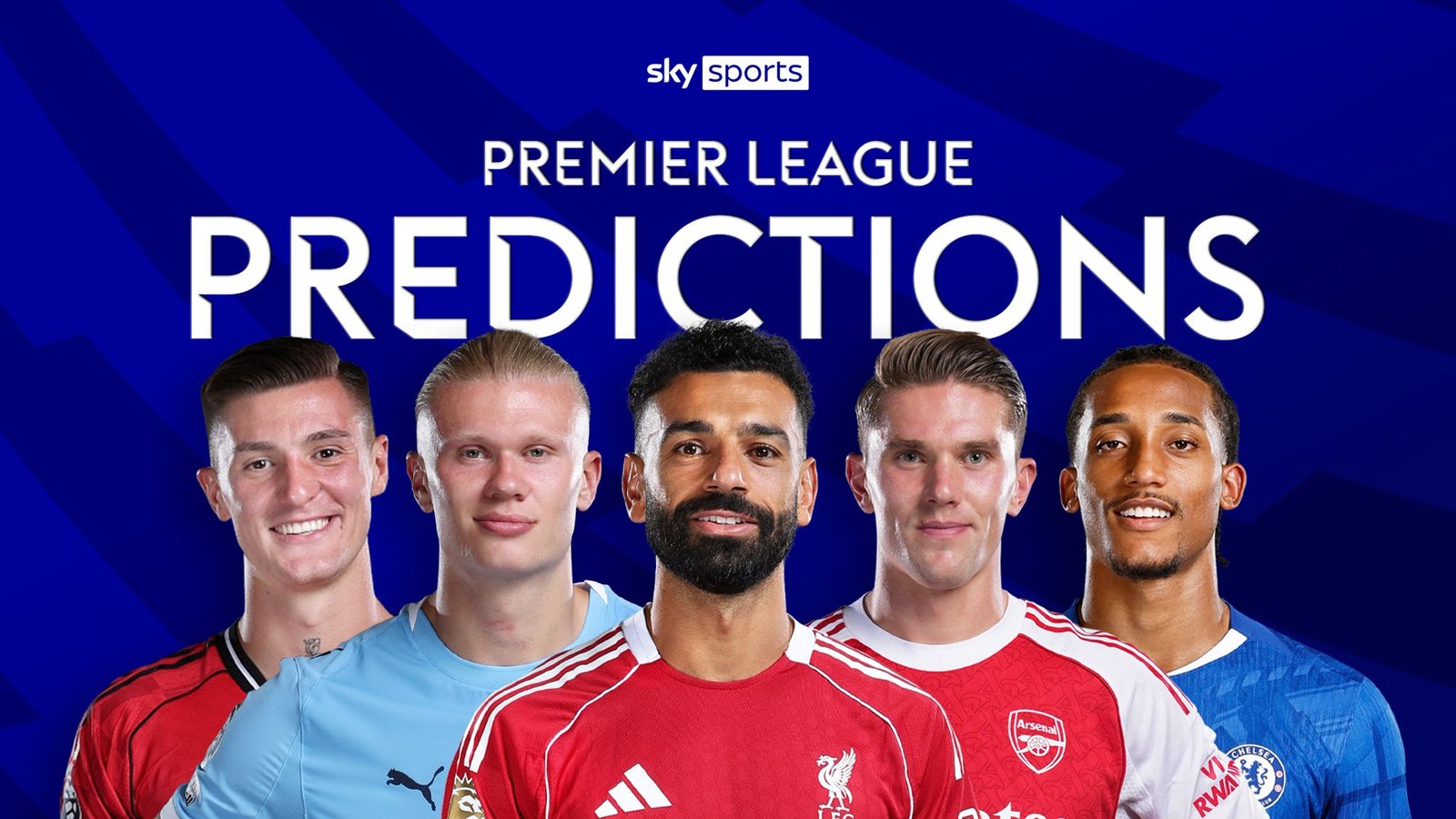
Pre‑season and live odds for 2024/25 heavily influence who becomes the default favourite or underdog in most fixtures. Manchester City, Arsenal and Liverpool sit at the top of title and top‑four markets, so they are chalk in the majority of their league games, while clubs like Nottingham Forest, Brentford, Bournemouth and Fulham often start with larger prices against stronger opponents. This structural assignment matters, because a team’s long‑term profitability depends on whether its actual performance matches or defies these baseline expectations.
Bookmakers’ early prices already encode projections from analytical models: Liverpool and Arsenal are shorter this year than in previous campaigns, while mid‑table and promoted sides carry long outright odds that translate into frequent underdog roles on matchday coupons. When a team repeatedly outperforms or underperforms those projections, you get the patterns bettors later describe as “good to back when giving the goal” or “only worth touching when getting a start.”
Teams that tend to justify being backed as favourites
Teams that reward favourite backers usually combine three traits: high win probability, tactical control that keeps variance lower, and odds that are not yet fully squeezed by public demand. In 2024/25, Liverpool and Arsenal fit that profile better than most: projections place them near the top of the table, but their outright and top‑four prices, while short, still reflect a small discount to Manchester City’s perceived ceiling. When these sides host weaker opposition, their chance of a win often remains higher than the implied probability at moderate home prices.
By contrast, clubs like Manchester United or Tottenham carry big‑club reputations and heavy fan money despite recent inconsistency, which means they frequently go off as short‑priced favourites without matching performance. Season‑level profitability work shows that blindly backing them in these roles has often delivered negative returns, precisely because the market prices in upside and ignores volatility. That difference—between efficient and inflated favourite prices—is the line between “team to back when laying the goal” and “badge that will quietly drain your balance when trusted at home to inferior opponents.”
When certain clubs are more attractive as underdogs
The inverse case is mid‑table or lower‑profile teams whose style travels well and whose public image lags behind their actual level. Nottingham Forest, Brentford and Fulham have appeared repeatedly in discussions about profitable sides in handicap and season‑long markets, benefitting from generous starts in lines framed by older perceptions of their strength. In 2024/25, their outright odds still place them among long shots, so they often appear as sizeable underdogs, yet their systems and results frequently justify a more optimistic view.
Underdog bets on these clubs do not need outright wins to pay off if you use handicaps correctly: getting a goal or more in your favour allows them to lose narrowly or draw while still covering. That structure turns “stubborn, well‑coached, mid‑table side” into a more attractive position than a glamorous giant in mild crisis, especially in away fixtures where the market sometimes exaggerates the gap between top six and the rest. The key is separating underdogs whose odds are deserved from those whose handicap lines still anchor to outdated beliefs about their weakness.
Mechanically comparing “good to back” favourites and underdogs
To move beyond impressions, it helps to think in terms of how teams perform relative to spread or handicap lines rather than just results. The Premier League handicap table effectively gives each club a starting points boost and then ranks them on the adjusted table; sides that top those rankings, such as Nottingham Forest, Brentford and Fulham in recent analysis, are those that constantly outperform expectations baked into lines. Conversely, teams buried in handicap standings tend to underperform spreads, meaning they disappoint both favourite and underdog backers depending on the role.
Indicative patterns for 2024/25 favourites and underdogs
| Role with more trust | Typical 2024/25 candidates | Practical betting takeaway |
| Backable as favourites | Liverpool, Arsenal, occasionally Newcastle/Villa | Safer when hosting weaker sides at fair short odds. |
| Backable as underdogs | Nottingham Forest, Brentford, Fulham, Bournemouth | More interesting with handicap starts vs top clubs. |
| Risky as favourites | Manchester United, Tottenham, some promoted sides | Avoid short prices unless underlying stats improve. |
| Risky even as underdogs | Heavily overmatched relegation candidates | Only selective, with clear tactical or situational edge. |
This kind of mapping does not guarantee profit, but it highlights where market roles and team identities repeatedly align or clash. A team that appears under “backable as favourites” has typically shown the ability to turn dominance into wins often enough to justify shorter lines, while those listed as attractive underdogs have a track record of keeping matches closer than odds suggest. Treating roles in this structured way prevents you from switching blindly between sides based on shirt colour or short‑term streaks.
How users’ behaviour on data‑driven tools shapes these perceptions
Real bettors increasingly rely on profit trackers and ROI tables, and those tools subtly influence which teams users feel comfortable backing as favourites or underdogs. When season‑end reports show that certain mid‑table clubs delivered positive returns where giants did not, user communities begin to label them “auto‑bet with a start” or “dangerous to fade as big dogs,” reinforcing patterns identified by underlying statistics. Over the 2024/25 campaign, Liverpool’s outperformance, Forest’s surprise surge and the steady value from Brentford and Fulham have all fed into this crowd‑level learning.
At the same time, social proof can generate its own distortions if bettors lean too heavily on last year’s ROI charts without checking whether pricing and team strength have changed. Once an underdog becomes a recognised “sharp team,” markets shorten their odds, and the edge that produced the original profitability can vanish. The healthiest way to use these user‑driven labels is as prompts—“this club has been a good underdog”—that you then test against fresh form, injuries and prices rather than as fixed truths.
Integrating favourite/underdog patterns inside a betting destination
Understanding which teams you prefer in which role only matters if you can hold that discipline when you log in to where you bet. When you access an online betting site such as ufabet, the default presentation of fixtures, boosts and accumulators usually pushes you toward heavy favourites and emotional picks rather than the underdog or mid‑tier positions your analysis might favour. Applying favourite/underdog logic in that environment means deciding in advance which clubs you will consider at short odds, which you will only touch with a handicap in their favour, and which you will mostly avoid, then checking each suggested multiple or promotion against that internal map instead of reacting to whatever the interface highlights most aggressively.
Why the favourite/underdog mindset should not spill into casino online play
The reason favourite and underdog analysis works in football is that odds are estimates of probabilities you can sometimes out‑think with better modelling, context or timing. In a casino online setting, house edges and payout structures are fixed, and there is no equivalent of a mispriced underdog with good tactics or a favourite adjusting to congested fixtures. Trying to apply a “value dog” mindset to casino games—by chasing tables that have “been cold” or slots that “are due”—misreads randomness as exploitable information, a pattern that research into online gambling has consistently linked to long‑run losses rather than skill‑based edges.
Summary
From the perspective of real bettors, the 2024/25 Premier League divides into teams you can trust more as favourites, sides that only make sense with a start as underdogs, and clubs best avoided at current prices. Champions‑level outfits like Liverpool and Arsenal tend to justify support in controlled favourite roles, while improving or undervalued sides such as Nottingham Forest, Brentford and Fulham have offered more logical entries when getting handicaps against bigger names. By mapping these roles explicitly, testing them against fresh numbers, and applying them consistently on your chosen betting sites—without projecting the same logic onto fixed‑edge casino products—you turn a simple “play the favourite or take the dog?” question into a structured, season‑long strategy.