The Medical Use of Coriander: It’s More Than Just a Pretty Garnish
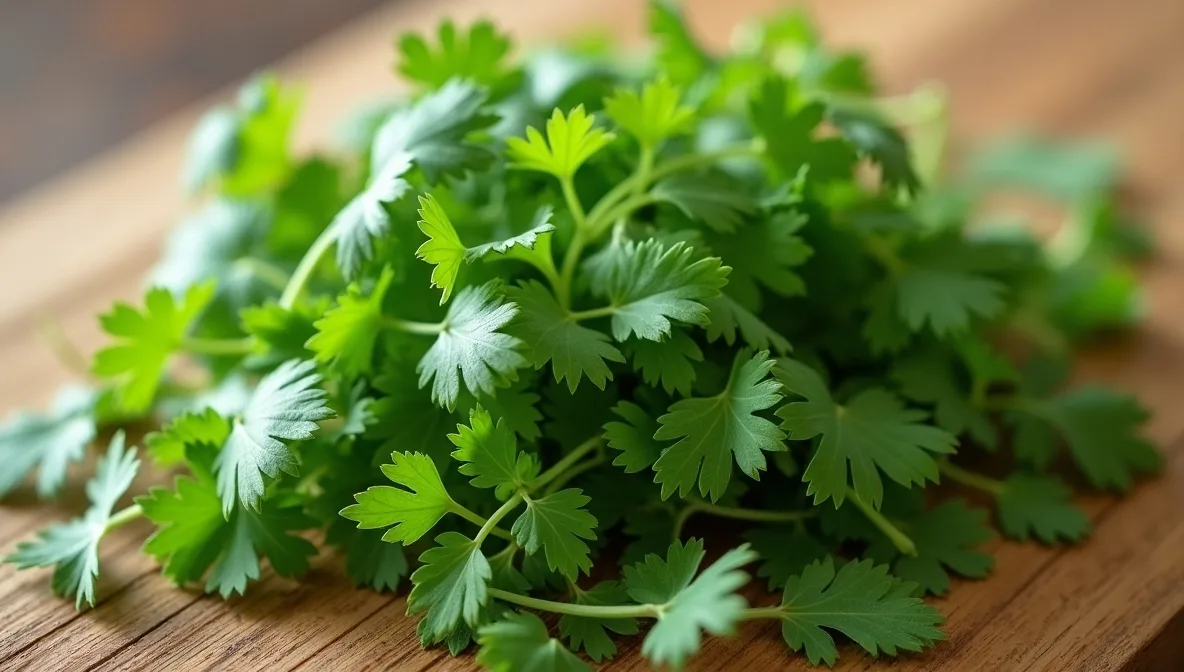
Look. You’ve seen it. That pile of fresh, green leaves on top of your curry or taco. Maybe you’ve pushed it aside. A garnish. Decor. That’s what most people think. But what if I told you that little pile of green has been kicking around as medicine for over 3,000 years? We’re not talking old wives’ tales. We’re talking real, documented, gut-level science. The medical use of coriander isn’t some new-age trend.
It’s ancient, battle-tested wisdom. This plant—every part, from the lacy leaves (cilantro) to the round, aromatic seeds—is a pharmacy in a planter. It’s time to stop ignoring it and start understanding it. Let’s get into what this humble herb can actually do for your health.
From Pharaohs to Farmers: A Quick, Dirty History
Coriander doesn’t need a fancy pedigree. It grew in the hanging gardens of Babylon. It was found in King Tut’s tomb. Ancient Egyptian papyri list it for digestive woes. Chinese emperors prized it. Ayurvedic doctors in India have prescribed its seeds for millennia.
This isn’t a coincidence. People everywhere kept using it because it worked. They didn’t have labs. They had pain. They had bloating. They had infections. And they found that this plant helped.
The medicinal properties of coriander were written down long before the word “antioxidant” was invented. They knew. Now, modern science is just catching up to what your great-great-great-(x100)-grandma already knew.
Your Gut’s Best Friend: Coriander for Digestion
This is where coriander shines brightest. Your stomach is in a knot. You feel bloated. Heavy. Maybe you ate something that didn’t agree with you. Here’s where the medical use of coriander gets real practical.
- It’s a carminative. A fancy word for “gas-buster.” Coriander seeds contain compounds that help calm muscle spasms in your gut. They help move trapped air out. Gently.
- It fires up your own enzymes. Studies show it can nudge your body to produce more digestive juices and enzymes. This means you break down food better. Especially fats and carbs.
- It soothes the burn. Feeling acidic? Traditional systems use coriander seed tea as a mild, cooling relief for heartburn.
A Quick Story: My friend’s abuela. She’d never use a scientific term. After every big family meal, without fail, she’d put a pot on the stove. A handful of coriander seeds, some water. Simmer for 10 minutes.
That cloudy, earthy-smelling tea was our after-dinner ritual. “Para la panza,” she’d say. For the belly. It worked. Every single time. No pills. Just seeds and hot water. That’s the health benefits of coriander in action.
The Inflammation Fighter You Already Have
Inflammation is a big, scary word today. It’s linked to everything from achy joints to serious long-term diseases. Your body’s defense system gets stuck in the “on” position. Coriander can help hit the mute button.
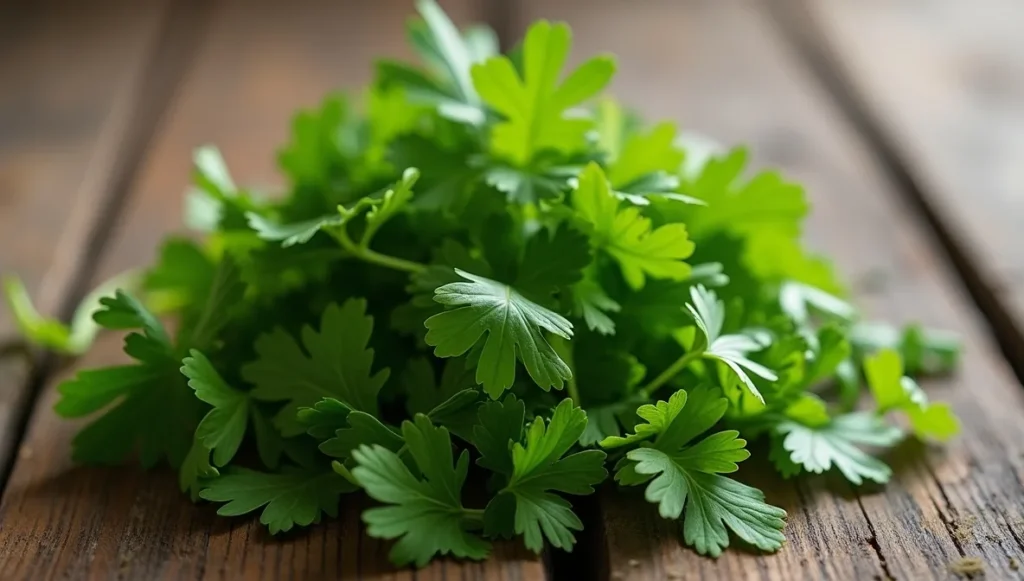
The leaves and seeds are packed with antioxidants. Quercetin. Terpinene. These are compounds that roam your body, calming down inflammatory messengers. Think of them like little firefighters putting out small, smoldering fires before they become a blaze.
This is why the medical use of coriander is studied for things like arthritis pain and swelling. It’s not a cure. It’s daily, dietary support. A sprinkle of the leaves in your salad or a teaspoon of seed powder in your soup adds up.
Blood Sugar and Cholesterol: The Silent Regulator
This is serious business. Managing blood sugar and cholesterol is crucial for long-term health. Coriander isn’t magic. But it’s a surprisingly good helper.
Research in animals (and promising human studies) shows coriander seeds can:
- Encourage your pancreas to do its job better, potentially leading to more insulin release.
- Help your cells use sugar more efficiently, so it doesn’t just build up in your blood.
- Tackle bad cholesterol (LDL) and bump up the good kind (HDL).
It acts like a gentle, natural tune-up for your metabolism. For anyone looking at coriander for diabetes control or coriander for cholesterol, this is a key area. It’s about adding a tool to your kit, not replacing your doctor’s advice.
Your Liver’s Late-Night Cleanup Crew
Your liver is your main detox organ. It processes everything. Alcohol. Medications. Environmental toxins. It works 24/7. Coriander for liver health is a classic move in herbal medicine. The antioxidants in coriander protect the liver cells from damage.
Some studies suggest it can even help the liver regenerate and produce more of the detoxifying enzymes it needs to do its dirty job. Think of sipping on coriander seed water for health as giving your liver’s cleanup crew a better broom and dustpan.
How to Use It: No Fuss, Just Function
Forget expensive supplements. The real power is in the whole plant. Here’s how to bring the medical use of coriander into your day.
The Seeds: The Heavy Lifters
- Tea: Crush 1-2 teaspoons of seeds. Steep in hot water for 10 minutes. Strain. Drink after meals.
- Powder: Grind seeds. Add a pinch to smoothies, oatmeal, or curries.
- Tempered: Fry seeds in a little oil to start a dish. It unlocks their flavor and benefits.
The Leaves (Cilantro): The Fresh Fix
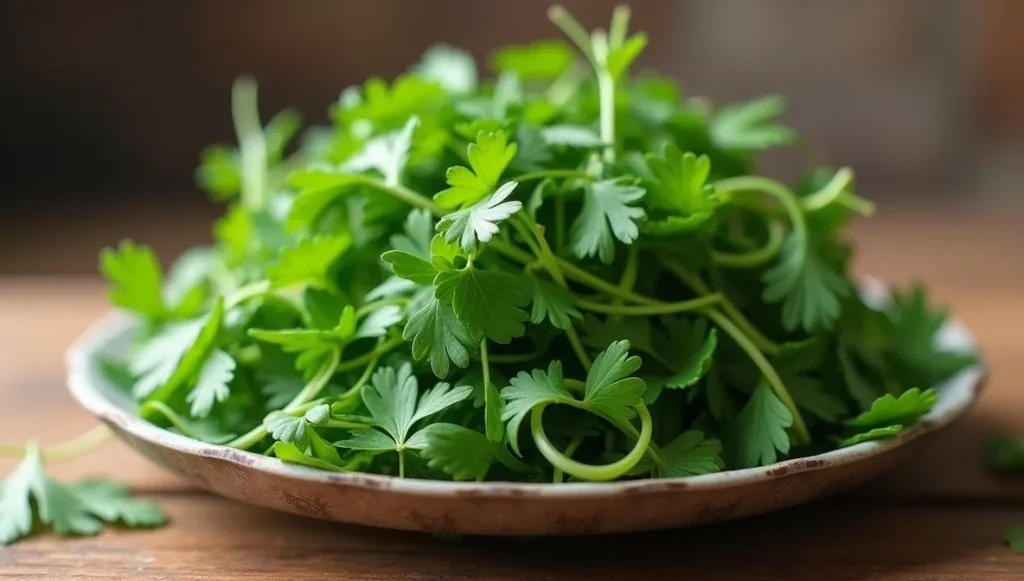
- Eat them raw. Don’t cook them to death. Toss a big handful into salads, salsas, or as a final topping on soups.
- Blend them. Green smoothies, chutneys, pesto.
- Juice them. A small bunch with some apple and ginger is a potent green shot.
A Warning, A Win, and an Observation:
- The Flop: I once knew someone who read about “detox” and made a super-concentrated coriander seed drink. A whole cup of seeds boiled down. The result? A stomach ache that lasted hours. More is not better. Start small. Listen to your body.
- The Win: My own experiment. A month of a daily morning cup of mild coriander seed tea. The most noticeable change? My digestion became clockwork. No more afternoon bloating. Just quiet, efficient operation.
- The Observation: Walk into any health food store now. You’ll see coriander tinctures, capsules, and “detox” blends. It’s become an industry observation. The buzz is real. But you don’t need the fancy bottle. You need the seeds from the spice aisle. Keep it simple, stupid.
FAQs: Your Real Questions, Answered
1. What’s the difference between coriander seeds and cilantro?
They’re from the same plant! “Coriander” usually refers to the dried seeds. “Cilantro” is the Spanish name for the fresh leaves and stems. Both have medicinal properties, but the seeds are stronger for digestion, the leaves are great for antioxidants.
2. Can coriander really help with anxiety?
Some early research and tons of traditional use say yes. The aroma and certain compounds may have a mild calming effect. Sipping a warm cup of coriander tea can be a soothing ritual that helps quiet a busy mind.
3. How much coriander should I use for health benefits?
Start with food amounts. A tablespoon of fresh leaves daily. Or 1-2 teaspoons of seeds for tea. You don’t need megadoses. Consistency over quantity is key for natural healing.
4. Are there any people who should avoid coriander?
A very small number of people are allergic. Also, because it may lower blood sugar, people on diabetes medication should talk to their doctor first to avoid levels dropping too low. Always, talk to your doctor before starting any new herbal regimen.
5. Is the “coriander tastes like soap” gene real?
Absolutely. It’s a genetic thing. For some people, the fresh leaves (cilantro) taste like soap or metal. If that’s you, you can still get the health benefits of coriander from the seeds, which don’t have the same soapy compound.
The Bottom Line: Earthing the Hype
Let’s be clear. Coriander is not a miracle cure. It won’t replace your medicine. But it is a profound example of food as medicine. The medical use of coriander is backed by both ancient tradition and modern science. It’s a gentle, accessible, and powerful ally for your everyday health.
For your gut. For your inflammation. For your blood sugar. It’s the opposite of a scary, expensive pill. It’s a seed. It’s a leaf. It’s been here all along, sitting on the edge of your plate, waiting for you to take it seriously. So next time, don’t push it aside. Eat it. Brew it. Use it. Your body will thank you.
Disclaimer
The information in this article is meant for general knowledge only and should not be treated as medical advice. Coriander and other natural remedies can support well-being, but they are not a substitute for professional diagnosis, treatment, or prescribed medication.
Always speak with a qualified healthcare provider before making changes to your diet, using herbs for health purposes, or managing any medical condition. The author and website are not responsible for any actions taken based on the content provided. Use all information at your own discretion.
Read More: Benefits of Khozicid97