Frank Gehry Buildings: Not Your Grandma’s Postcards
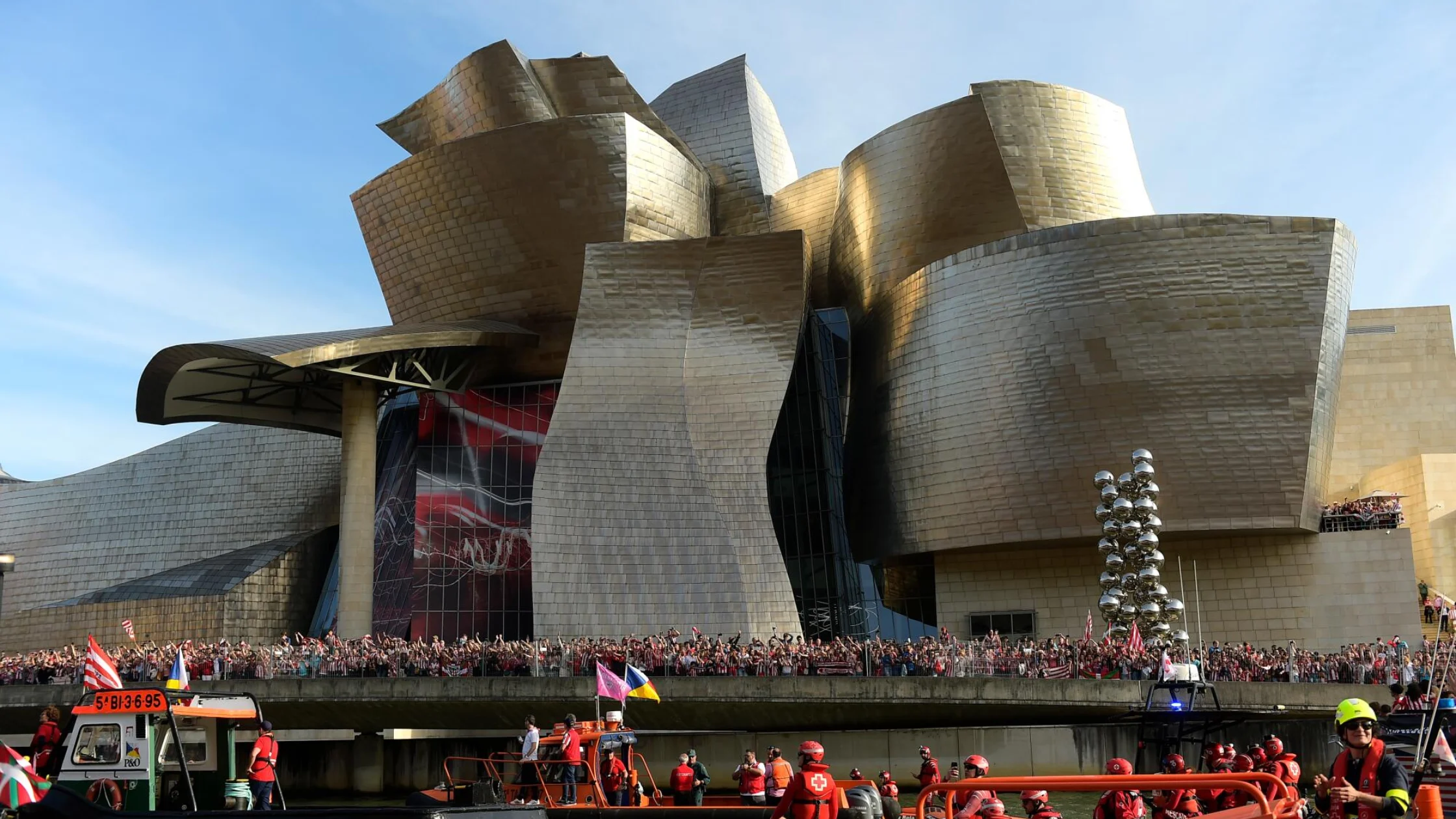
Let’s get this straight. Frank Gehry buildings don’t look normal. They look like a metal storm frozen mid-crash. They look like squished tin cans dreaming of being boats. They are wrinkly, shiny, and downright confusing.
And that’s why you, a traveler, need to see one. Forget boring boxy towers. A Frank Gehry iconic building is a destination itself. Your trip isn’t just to a city. It’s that weird, wonderful thing sitting in it. This is your no-bullshit guide to the world of Frank Gehry architecture.
We’ll talk about why they look so crazy, where to find them, and how to actually enjoy them. Get ready for buildings that break all the rules.
The Gehry Look: Why Does It Look Like That?
So, what’s the deal with the style? People call it deconstructivist architecture. Fancy words. It means taking a normal building idea and… exploding it. Walls aren’t just walls. They’re sails. Roofs aren’t just roofs. They are crashing waves. Frank Gehry’s design style is all about motion. He wants a still object to feel alive.
He uses wild materials. This is key.
- Stainless steel: For a mirror-like shine.
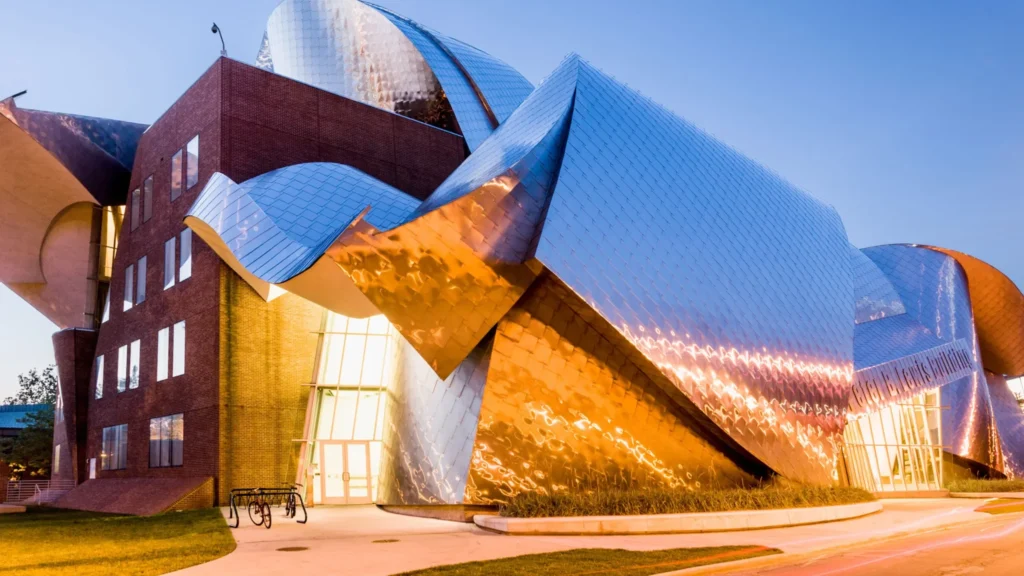
- Titanium: That’s the bubbly, rainbow metal on his most famous work. It changes color with the sky.
- Stone and glass: To mix heavy with light.
His architectural innovations start with a crazy sketch. Then, his team uses digital architecture modeling software. This stuff was originally for jet fighters. They use it to make his crumpled paper dreams stand up. The complex geometry is insane.
No two pieces are the same. Every curve is a custom puzzle. This isn’t just modern architecture. This is emotional architecture. It makes you feel something before you even walk in.
The Superstars: Buildings You Can’t Miss on Your Travels
You can’t see them all. But these famous buildings by Frank Gehry are worth planning a trip around. They are world-famous architectural landmarks.
The Game Changer: Guggenheim Museum Bilbao
This is the one. The Guggenheim Museum Bilbao architect changed the game in 1997. It put a dying Spanish city on the map. That’s the “Bilbao Effect.” The building is a signature curve masterpiece.
It looks like a shimmering metal flower. Or a ship. Walk around it. The titanium cladding glows pink in the sunset. The river reflects it. It’s not just a museum. It’s the heart of the city. A cultural building that became the culture itself.
The Downtown Dream: Walt Disney Concert Hall, Los Angeles
The Walt Disney Concert Hall designer gave LA its shiny soul. In downtown, these sailing silver walls bloom from the concrete. It’s a landmark project you can’t miss. The best part? You can touch it.
The outside is open. Run your hand over the warm metal. Find a hidden garden nook. At night, it looks like a spaceship ready to lift off. It shows Frank Gehry urban design can soften a hard city.
The French Twist: Fondation Louis Vuitton, Paris
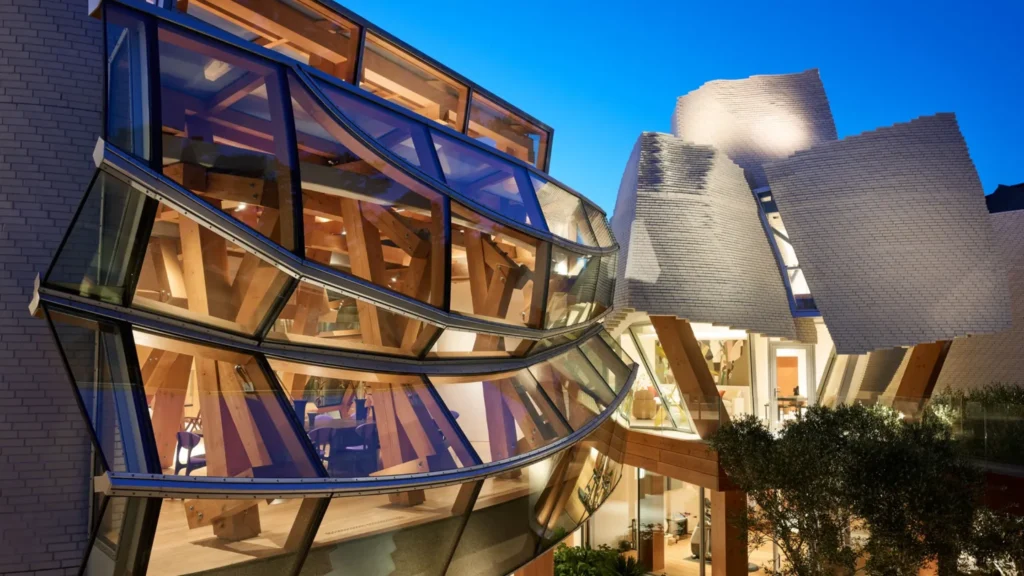
In the Bois de Boulogne park, a glass cloud has landed. This is Frank Gehry modern architecture meeting Parisian elegance. Twelve giant glass “sails” billow in the wind. The light inside dances. It’s a contemporary architecture spaceship in a classic city. It proves his work can be delicate, not just bold.
The Hometown Hero: Art Gallery of Ontario, Toronto
Gehry is Canadian. He redid his hometown gallery. He used blue titanium and swooping glass. But here, he added wood. A gorgeous, warm wooden spiral inside. This Frank Gehry museum design feels personal. It’s less about shouting, more about hugging the city. A must-see in Toronto.
The Quirks & Flops: The Real Deal Behind the Shine
Not every Frank Gehry building is a pure win. That’s the real story. The Frank Gehry residential architecture can be tricky.
Take his own house in Santa Monica. It was a pink bungalow. He wrapped it in a chain-link fence and corrugated metal. Neighbors hated it. They thought it was trash. It was a painful flop in their eyes. Now, it’s a legend. A landmark project that started it all.
Sometimes, the avant-garde building design has issues. Those sexy metal curves? They can act like giant mirrors. Or giant solar ovens. The Walt Disney Concert Hall had to sand down some panels. They were reflecting blinding heat onto the sidewalk! That’s a gritty, specific detail. Even a genius needs a fix.
And the cost? His complex geometry architecture is crazy expensive. Every piece is custom. Critics call it wasteful. Supporters call it art. This is battle-tested wisdom. Iconic buildings come with drama.
How to Travel Like a Gehry Pro: Tips for Your Visit
You’re not just checking a box. You’re experiencing a piece of architectural masterpieces worldwide. Here’s how to do it right.
- Walk the Perimeter: Don’t just snap the front. The magic of Frank Gehry structural design is in the 360-degree view. How does it change? How does it interact with its street?
- Touch It (If You Can): Feel the materials. The cool titanium. The rough stone. The warm wood. Gehry use of titanium and metal cladding is a tactile experience.
- Go Inside: If you can afford a ticket, go in. The inside of a Frank Gehry building is often a surprise. It’s usually more calm and logical. The crazy shell holds a beautiful space.
- Play with Light & Time: Visit at different times. A Frank Gehry stainless steel building at noon is a bright mirror. At sunset, it’s on fire. At blue hour, it glows with the sky.
- Look for the Context: Why is this here? The Guggenheim Bilbao revived a riverfront. The Disney Hall gave a city a cultural heart. This is Frank Gehry global influence.
Why It All Matters: More Than Just a Photo Op
Okay, so why should you care? These aren’t just buildings. They are events. A Frank Gehry iconic building changes how a city feels. It creates a brand of storytelling for a place. “Bilbao” now means “that amazing metal museum.” That’s powerful.
For you, the traveler, it’s about wonder. In a world of same-looking boxes, his deconstructivist architecture examples scream that imagination is alive. They are pure social proof that art matters.
They make you look up. They make you question. They are the ultimate conversion optimization for your brain, turning a casual tourist into an engaged observer.
They show what happens when someone refuses to follow the rules. That’s the takeaway. Frank Gehry buildings are a rebellion in titanium and glass. And the world is more interesting for it.
Your Call to Action: Pick one. Just one. Look at the photos. Book the ticket. Go stand next to it. Don’t just see it. Experience its weight, its shine, its absurdity. Let it confuse you. Let it amaze you. That feeling—that’s the real destination.
FAQs for Travelers: Frank Gehry Buildings
1. What is Frank Gehry’s most famous building?
The Guggenheim Museum in Bilbao, Spain, is his most famous and influential work. It’s famous for its shimmering, curved titanium panels and is credited with revitalizing the entire city.
2. Where can I see Frank Gehry buildings in the United States?
Major U.S. sites include the Walt Disney Concert Hall in Los Angeles, the MIT Ray and Maria Stata Center in Boston, the IAC Building in New York City, and the Louis Vuitton store in New York.
3. Why are Frank Gehry’s buildings so wavy and unusual?
Gehry is a pioneer of “deconstructivism,” an architectural style that breaks away from traditional straight lines and boxes. He uses advanced computer software to design complex, sculptural forms that resemble moving shapes.
4. Can you go inside Frank Gehry’s buildings?
Yes, many are public buildings like museums, concert halls, and university centers. You can often buy a ticket to tour the interior. Some, like the Walt Disney Concert Hall, offer guided exterior tours for free.
5. What materials does Frank Gehry commonly use?
He is famous for using unconventional, industrial materials like titanium, stainless steel, chain-link fencing, and glass. He often combines these with more traditional stone and wood to create dramatic contrasts.
References & Sources:
- Gehry Partners, LLP. Official Firm Project Descriptions.
- The Guggenheim Museums and Foundation. “The Bilbao Effect.”
- J. Fiona Ragheb (Ed.). Frank Gehry, Architect. Solomon R. Guggenheim Museum, 2001.
- Los Angeles Philharmonic Association. Walt Disney Concert Hall Visitor Information.
- Fondation Louis Vuitton. Official Visitor Guide.
- Architectural Record and The New York Times Arts sections for critical reviews and technical reporting on Gehry’s projects.
You may also like: AI Copilots for Backend Developers